
Does drinking iced tea or hot coffee have you agonizing in pain? Maybe one of your teeth has simply been hurting constantly for a while now. In either case, it would seem you are dealing with an infection inside the dental pulp – the bundle of nerve endings located at the center of your tooth. Since this area is so sensitive, it can cause discomfort to the degree that it interferes with your daily life. Hope is not lost, however, because here at Antoon Family Dental we want nothing more than to relieve your tooth pain through restoration and give you a reason to smile once again. Contact us so Dr. Antoon can get you back on track with root canal treatment in Plano!
Why Choose Antoon Family Dental for Root Canal Treatment?
- Same-Day Appointments Available
- Multiple Sedation Options
- Carefully Crafted, Natural-Looking Restorations
Do I Need Root Canal Treatment?
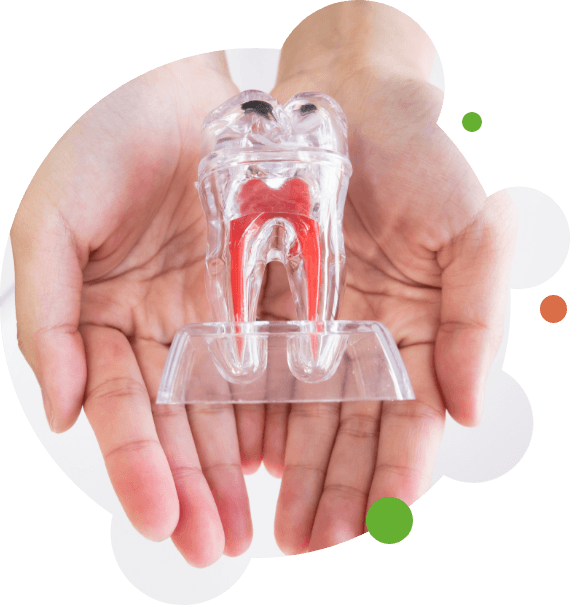
The most common indication of the need for a root canal is a severe, persistent toothache. However, that is certainly not the only symptom to look for. Other signs you might need a root canal include:
- Extreme, prolonged sensitivity to hot or cold foods or beverages
- Sharp pain when biting down
- Dark discoloration of a tooth
- Swelling or redness of the gums surrounding a tooth
- A pimple-like bump on the gums near a tooth
As soon as you notice any of these symptoms, contact our team. We’ll get you in for an appointment ASAP.
The Root Canal Process
The term “root canal” gets a bad rap, but this procedure is actually painless. In fact, by removing the infected nerve of the tooth, a root canal is designed to relieve pain. Plus, your restorative dentist in Plano will numb your mouth with a local anesthetic beforehand so that you will remain comfortable throughout the process. If needed, we also have multiple sedation options available to help you relax.
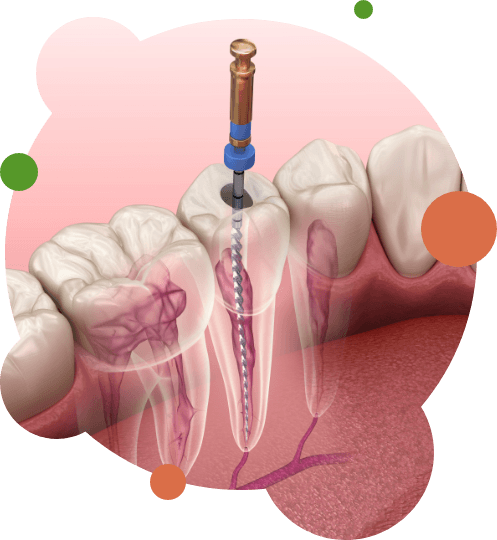
We will begin by using special instruments to access the inner chambers of the tooth and remove the pulp that’s triggering your pain. After sanitizing the area, we’ll refill it with a synthetic gutta-percha material to retain the tooth’s shape. The next step is to seal and protect the tooth by placing a temporary dental crown. As your mouth heals, the area around the tooth might feel a bit sore and tender.
A few weeks later, we will see you at our dental office. Then, we’ll switch out your temporary crown for a permanent one. At that point, the underlying tooth should be fully protected. You’ll be able to use it as you normally would!
The Benefits of Getting a Root Canal
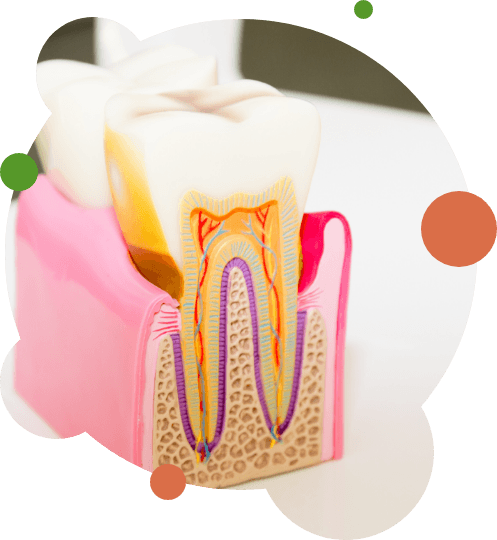
While replacement options like dental implants have their benefits for your smile, preserving your natural tooth should always be the primary goal. If you hesitate to get a root canal when you need one, the infection might progress to the point of no return and your tooth will have to be extracted entirely. Removing and replacing a tooth is a much more complex, time-consuming, and wallet-draining venture than root canal treatment.
In addition to saving your natural tooth, root canal treatment has other benefits:
- Virtually pain-free procedure – Thanks to the advanced dental technology we use, getting a root canal is about as comfortable as the process for an ordinary filling.
- High success rate – The vast majority of root canal patients retain their treated tooth for decades, if not the rest of their lives.
- Aesthetically pleasing results – After your root canal, your tooth will be restored with a custom-made dental crown that seamlessly blends in with the rest of your smile.
Understanding the Cost of Root Canals
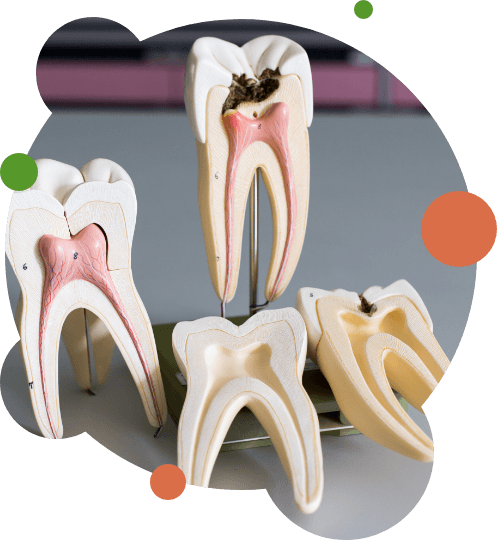
Not everyone will pay the same amount for root canal treatment; the overall cost will vary based on several factors. When we recommend a root canal to save your infected tooth, we’ll give you a personalized price estimate so that you have a good idea of what you can expect to pay. Our team can go over your financial options with you to make sure you get the care you need at a price you can afford.



Root Canal FAQs
On average, patients are expected to be able to return to their usual work or school the day following their root canal treatment in Plano. If your job requires physical labor, it’s recommended that you take at least two to three days off. Strenuous exercise can make the healing process take longer by diverting blood from the site. It’s also worth noting that your mouth will be sore for a few days after your treatment. You can manage your discomfort by taking over-the-counter pain medication, eating soft foods, and using a cold compress.
Many patients do not need to take antibiotics before or after root canal treatment. The only time Dr. Antoon will prescribe antibiotics is if you have a health condition that increases your risk of developing an infection after a major dental procedure. During your consultation, he’ll review your medical history and assess your oral health to determine whether or not prescribing antibiotics is a good idea.
Taking proper care of your teeth and gums is the best way to prevent the need for a root canal. Brushing twice a day, flossing daily, rinsing regularly with an ADA-approved mouthwash, and visiting your dentist regularly can help minimize your risk of bacteria reaching a tooth’s pulp. You should also maintain a healthy diet by eating lots of nutrient-rich foods and reducing your sugar intake. These precautions will not only keep your smile healthy, but they’ll also significantly lower your chances of developing an infection and needing a root canal.
Even though root canal treatment has an impressive success rate, there’s still a small chance your procedure will need to be redone at some point. There are many reasons why that may happen! For example, saliva can contaminate the tooth during the procedure or there may be a significant delay between completing the root canal and having the permanent crown placed. The tooth may also have more root canals inside of it than expected, meaning Dr. Antoon might not have disinfected all of them.
Oftentimes, the nerves, anxiety, and stress patients experience simply hearing the words “root canal” stems from a fear that the procedure will hurt. If that’s the case for you, then you can have peace of mind knowing that we will thoroughly numb your mouth to ensure you don’t feel any pain. Not only that, but we offer sedation dentistry for patients who need help staying calm and comfortable in the treatment chair. In other words, we’re here to make the entire process as smooth and seamless as possible.
Many patients second-guess if a root canal is really necessary if they aren’t experiencing any pain. It is! Remember, there are several warning signs of a badly decayed or damaged tooth, including dark discoloration, swollen gums, and persistent sensitivity. So, the situation may not feel urgent, but that doesn’t mean it isn’t.
In most cases, patients are advised to eat a healthy, well-balanced meal prior to their procedure. That said, there are a few exceptions. For example, if you are being sedated, you will likely be asked to fast beforehand to reduce the risk of nausea.
Unfortunately, your teeth cannot heal on their own. As a result, the infection will only progress if it isn’t eliminated, wreaking havoc on your oral health and potentially jeopardizing your overall health in the process. To prevent that from happening, our Plano dental team offers same-day care for patients who need it. Not only that, but we do our best to make the entire experience as comfortable as possible – from offering sedation dentistry to welcoming multiple financial solutions, including flexible financing.
Research conducted back in the 1920s claimed that root canals make you sick, which is where this myth stems from. It’s important to know, however, that the study was poorly designed, the theory has been debunked for several decades now, and there is no scientific evidence to back up this claim. In other words, root canals do not lead to illness.
In addition to covering preventive care, many dental insurance providers cover 50% or more of the cost of essential restorative care. So, if you’ve already paid you’re deductible and you don’t have any waiting periods, there’s a good chance that they will cover a portion of the cost of your root canal! If you need any help navigating the ins and outs of your coverage, don’t hesitate to let us know. We’re happy to welcome many of the nation’s leading providers, including Aetna, BlueCross BlueShield, and Cigna Dental.