Everyone knows that the key to handling any kind of emergency is not to panic. However, that’s usually easier said than done. The solution, therefore, is to have a plan in place. If you are in the midst of a dental emergency, then the first thing you should do is call Plano emergency dentist Dr. Antoon. At a moment’s notice, Dr. Antoon and his team will be ready to help. If necessary, we can schedule an appointment immediately, because sometimes the difference between losing and saving a tooth is a mere 30 minutes.
As your emergency dentist in Plano, we keep room in the schedule for urgent cases. To reach our office, call (972) 267-5000. One of our staff will be able to offer you advice on how to handle your particular emergency until you arrive at our office.
Why Choose Antoon Family Dental for Emergency Dental Care?
Same-Day Appointments Available
Saturday Hours Available
Accepts Walk-Ins for Emergency Cases
Toothaches
Is my toothache a dental emergency? Thankfully, most toothaches don’t need immediate emergency care. However, they can sometimes be a sign of an oral health issue that could cause serious complications. Do not hesitate to call us if your toothache is accompanied by:
Pain that is distracting, intense, or lasts for more than 24 hours
A small, pimple-like bump on the gums
Sharp pain when biting down or opening your mouth wide
Discoloration or darkening of the painful tooth
Signs of a serious infection, such as swelling, fever, or fatigue
How you should handle a toothache: Rinse your mouth thoroughly and floss around the pained tooth, as the cause could be a piece of lodged food. If this isn’t the case, contact us immediately. Any facial swelling can be remedied with a cold compress held against the cheek. Although it’s safe to take a painkiller to relieve any discomfort, don’t place it directly on the gum tissue. You may actually burn your mouth this way!
How we treat toothaches: How we treat your toothache will depend entirely on what’s causing it. Once you’ve had your emergency exam with Dr. Antoon, he will be able to determine the best way to treat it. Sometimes, a filling, crown, or antibiotics are all that’s needed. Other times, however, you may need root canal therapy or a tooth extraction.
Is a chipped tooth a dental emergency? A minor chip usually doesn’t require immediate attention, but you should still come to see us so we can make sure that the damage won’t eventually become worse. Remember, unlike your bones or skin, your tooth enamel won’t repair itself over time. It’s best that we take a look at your chipped tooth right away to minimize your risk of future complications.
How you should handle a chipped tooth: If possible, try to find any large pieces of your tooth and bring them to our office. We may be able to cement them back into place. Next, rinse your mouth out with water regularly to keep the area clear of bacteria. Do not use your injured tooth to bite or chew until your appointment. You may want to put dental wax on the chipped tooth to prevent cuts to your gums and other soft tissues.
How we treat chipped teeth: Direct bonding is a reliable, fast, and cost-effective way to treat chipped teeth. A color-matched shade of composite resin is simply molded over the damaged area and polished until it looks just like a natural part of your tooth. However, if you’ve chipped a front tooth and are concerned about aesthetics, we may recommend porcelain veneers instead.
Is a cracked tooth a dental emergency? Once teeth are damaged, they don’t heal on their own. Whether your chipped tooth hurts or not, it’s important that you come to see us right away so we can protect your tooth from infection and further damage.
How you should handle a cracked tooth: If any large pieces of a tooth have come loose, collect them. Rinse your mouth with warm water and, if needed, apply gauze or a wet washcloth to areas of the mouth that are bleeding. Facial swelling is likely in this situation, so use a cold compress on the outside of the mouth or over-the-counter pain relievers to ease discomfort.
How we treat cracked teeth: The most common treatment for a cracked or broken tooth is a custom-made dental crown. These tooth-shaped caps are designed to fit over damaged teeth to restore their strength and prevent future issues. However, if your tooth is too severely fractured, we may need to extract it and talk about your tooth replacement options.
Are very sensitive teeth a dental emergency? Sensitive teeth are a common oral health condition that can be caused by many different things. Sometimes, it’s the result of thinning enamel, while other times, it can be a warning sign of a serious infection. In either case, tooth sensitivity shouldn’t be ignored. Contact us right away so we can help you determine if you’re experiencing a dental emergency.
How you should handle sensitive teeth: When you give us a call, we’ll be able to give you more personalized advice on how to handle your sensitive teeth. You may be able to treat your tooth sensitivity at home with our direction, but at other times, you may need to see us to address the underlying issue. Be sure to drink plenty of lukewarm water to keep your mouth free of bacteria and take over-the-counter pain relievers as directed.
How we treat tooth sensitivity: Like other types of tooth pain, how we address your tooth sensitivity will depend on what’s causing it. You may need a special toothpaste, prescription mouthwash, a filling, or fluoride treatment. In severe cases, you may need treatment for bruxism or root canal therapy.
Is a knocked-out tooth a dental emergency? By all means, a knocked-out tooth is a dental emergency. It’s imperative that you act quickly and correctly to keep the tooth viable and maximize your chances of saving it.
How you should handle a knocked-out tooth: Locate the tooth and pick it up by the crown (the top, white part) only. When rinsing the tooth, avoid touching or removing any tissue still attached. Avoid touching the root! After rinsing out your mouth with warm water, attempt to place the tooth back into its socket. If this is not possible, keep the tooth inside a container of milk or saliva to keep it preserved. Alternatively, you can keep it between your cheeks and gums. Do not store the tooth in plain water, as this can cause the cells on the tooth’s roots to burst!
How we treat knocked-out teeth: Time is of the essence if a tooth has been knocked out. By getting to our dental office within the hour, we may be able to reimplant the tooth. In these cases, we’ll carefully reinsert the tooth into the socket and secure it to the neighboring teeth. Over time, it should heal back into place. However, if the tooth is too damaged or no longer viable, we may not be able to save it. Instead, we’ll go over your tooth replacement options.
Is a lost filling or crown a dental emergency? A lost filling or crown is considered a dental emergency, but it can wait a few days to be treated. Until you can reach us for your appointment, it’s essential that you protect your tooth from infection or further damage.
How you should handle a lost filling or crown: If you can locate the filling or dental crown, rinse it off before attempting to place it back onto the tooth. You can use sugar-free gum to keep it in position temporarily. If the restoration is damaged or there’s a different reason you can’t put it back in place, keep it in a container and bring it with you to your appointment. Then, you can cover the exposed area of your tooth with dental wax or sugarless gum. Keep in mind that you will still need to visit us as soon as possible for a more stable, more permanent solution to replace your restoration.
How we treat lost fillings or crowns: If your restoration is in good shape, we may simply be able to recement it back into place. Of course, if the restoration becomes loose because of decay or damage to your tooth, that issue will need to be treated first. If your restoration no longer fits or you can’t find it, we may need to fit you with a new filling or crown.
Is a broken denture a dental emergency? Yes! If you have a broken denture base or your false teeth are damaged, you need to contact our office right away and make an appointment. Continuing to wear it will likely cause you to experience issues with your gums, soft tissues, jaws, and any remaining teeth you have.
How to handle a broken denture: Do not wear a broken denture! It can hurt you or irritate your soft oral tissues, leading to further complications. You should also never try and repair a denture on your own using household items, as it could make the situation worse. Instead, just wait until you visit our office.
How we treat broken dentures: The first thing Dr. Antoon will do is conduct an oral examination to determine the best course of action. In some cases, composite resin can be used to repair a small chip or crack. Other times, the denture may need to be readjusted. If your device is damaged beyond repair, you may simply need to order a replacement or consider switching to implant dentures.
Is a loose permanent tooth a dental emergency? From advanced gum disease to physical injury, there are many reasons why a permanent tooth may become loose. Even if there is no pain present, you should contact our office right away and schedule an emergency appointment. With our help, we can prevent it from falling out.
How you should handle a loose permanent tooth: If you have a loose permanent tooth, call us immediately to make an appointment. In the meantime, you should avoid touching your tooth and eating hard or sticky foods. Gently clean your mouth by swishing warm water around.
How we treat loose permanent teeth: We may be able to save a loose dental implant with our services, including bone grafts. However, if your tooth cannot be saved, the best course of action might be extraction.
Is an injury to the gums, lips, or tongue a dental emergency? Oral injuries can be quite alarming, especially if they bleed a lot. Luckily, Dr. Antoon may be able to help you if the bleeding is minor. You should contact our office and explain your symptoms so we can inform you of your next best steps.
How you should handle an injury to the gums, lips, or tongue: Carefully rinse your mouth with water to clear away any lingering debris. You should also use a clean washcloth or gauze to stop the bleeding. If needed, you can apply a cold compress to reduce swelling and discomfort.
How we treat injuries to the gums, lips, or tongue: If the wound is small enough, we might be able to stitch the wound closed. On the other hand, you may want to go to the emergency room if the cut is very large or the bleeding does not stop after 10 minutes of applying pressure.
Is jaw pain a dental emergency? Although jaw pain can affect your day-to-day life, it’s not always considered an emergency. You should only call our office if your pain becomes chronic. With our help, you can avoid serious oral health issues and other complications down the line.
How you should handle jaw pain: When you give us a call, we’ll provide first-aid instructions to help you manage your situation in the meantime. Some tips we often recommend include taking over-the-counter pain medication and using a cold compress.
How we treat jaw pain: Dr. Antoon will conduct an oral examination to identify the underlying cause of your jaw pain. Based on your diagnosis, he’ll recommend a treatment method that will best address your needs. Some common solutions include custom-made nightguards, TMJ therapy, and wisdom teeth extraction.
Is something stuck between your teeth a dental emergency? Everyone has had something stuck between their teeth at some point in time. It’s usually not considered a dental emergency unless it’s causing a lot of pain. Give us a call and explain your situation so we can provide you with your next best steps.
How you should handle something stuck between your teeth: Gently floss your teeth to dislodge the unwanted debris. You can also vigorously rinse your mouth with water to help remove the item. Never use tweezers, toothpicks, or other sharp object! These tools can harm your soft tissues.
How we treat something stuck between teeth: If you can’t dislodge the item on your own, don’t hesitate to give us a call. Dr. Antoon will carefully and effectively remove any foreign materials to get you the prompt relief you deserve.
How to Find Our Plano Office
Antoon Family Dental of Plano is at 6521 Preston Rd Ste 300, Plano, TX 75024, on Preston Road just north of H-E-B. Call (972) 267-5000 when you are on your way so we can be ready for you.
Office hours: Monday, Tuesday and Thursday 8:00am – 5:00pm, Wednesday 9:00am – 5:00pm, and Friday and Saturday by appointment. Patients drive to us from across Plano as well as from Frisco and Carrollton.
Our office will do everything possible to get you seen the same day that you call, so don’t hesitate to
get in touch. In the event you can’t get to our practice right away, we do provide office hours on
Saturdays, so you can schedule an appointment then. Our team members can also give first-aid tips over the phone
to make your situation easier to handle until you arrive.
When you visit our office, Dr. Antoon will be able to determine whether or not the tooth can be saved. This exam
will typically include a digital X-ray as well, especially if the emergency is not easily visible.
Dr. Antoon will then go over his findings, discuss which recommended treatment will be used to resolve your
dental emergency, and make sure to get you out of discomfort before you leave. He’s happy to create a
treatment plan and go over the details of it before you head out, including the length and estimated costs.
We’ll work as quickly as we can to get your oral health back in order, whether that’s through dental
fillings, crowns, root canal therapy, tooth extraction, or something else.
The Most Common Dental Emergencies
Dr. Antoon and his staff are here for you no matter what your emergency might be. Whether you are dealing with a
knocked-out tooth, a broken tooth, or a toothache, you can count on Antoon Family Dental to help. In the
meantime, there are steps you can take to manage your emergency before you arrive. These can be found below!
An unexpected dental emergency is stressful to handle, especially when you consider the impact it could have on
your savings if you don’t have insurance. At Antoon Family Dental, we take pride in offering accessible,
accommodating dentistry in your time of need. However, before we discuss the emergency dental visit cost,
we’ll need to diagnose the underlying issue and put together a treatment plan.
Factors That Impact Emergency Treatment Cost
Before we put together a dental emergency cost, we’ll thoroughly examine your mouth. We typically take
X-rays to view any hidden damage beneath the surface of your gums and conduct a visual inspection to diagnose
the issue. Once we do, we can map out a treatment plan to help ease your discomfort and prevent additional
issues from arising down the road. Some factors that can affect the cost of your visit include:
The need for a follow-up appointment for additional services, such as a dental crown placement after root
canal therapy.
Dental insurance coverage that may include the treatment.
The severity of damage that your mouth sustained.
Easy Ways To Pay
At Antoon Family Dental, we offer an in-office savings plan for patients who may not have insurance coverage.
That way, you can get discounted prices for treatments and examinations. We are also an in-network provider with
several dental insurance companies, including Aetna, Humana, and many others. For patients who don’t have
insurance and would like to pay for their treatment in manageable installments, we also offer additional
financing through CareCredit.
Committed To Affordable Emergency Dentistry
If you have any questions or concerns during your emergency examination, don’t hesitate to ask one of our
friendly dental professionals. Our team is here to make your stressful situation easier to manage, which is why
we’ll be more than happy to assist you with financing and dental insurance questions if you have them!
How to Prevent Dental Emergencies
You might never expect a dental emergency to interrupt your day, but they are more common than you might
realize. Often, they occur suddenly and without any warning, like from an accident or injury. In other
instances, they can be the result of an untreated issue that has turned into a big problem. Thankfully, there
are several things you can do to help prevent an unplanned trip to your emergency dentist’s office.
Visit Your Dentist Regularly
The American Dental Association recommends everyone over the age of 2 visit their dentist at least twice a year
for a cleaning and checkup. Your routine appointments are essential for maintaining a healthy smile. Your dental
hygienist will remove any accumulations missed by your toothbrush and floss that can lead to common oral health
issues, like tooth decay or gum disease. In addition, your dentist can monitor your dental health, which allows
them to detect concerning areas while they are still small. Quick intervention prevents them from turning into a
dental emergency down the road.
Maintain Good Oral Hygiene Habits at Home
The secret to a healthy smile starts at home to keep common issues at bay. It’s best to brush your teeth
at least twice a day using a soft-bristled toothbrush and fluoride toothpaste. Clean all surfaces of your teeth
and your tongue for at least two minutes. In addition to brushing, you should also use high-quality dental floss
to clean in between each tooth and around the gum line before going to bed.
Stick to a Nutritious Diet
You’ve heard the saying, “You are what you eat,” but this applies to more than just your
waistline. Your smile is also reliant on nutritious foods. It’s best to consume a balanced diet that
contains lean proteins, low-fat dairy products, and fresh fruits and vegetables. We also recommend limiting your
consumption of sugary foods and drinks to promote a cavity-free smile.
Wear a Mouthguard
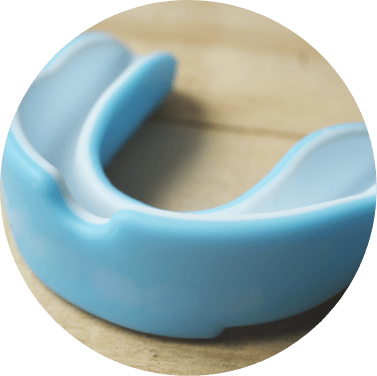
Many unexpected dental emergencies are sports-related, like broken or knocked-out teeth. Many oral health
emergencies caused by sports can be avoided using a simple piece of protection. A mouthguard provides a
protective barrier to reduce the risk of injury to your teeth, gums, and jaw. Research shows it can also lessen
the severity of concussion if there’s impact to the head.
A mouthguard can also be used to protect your teeth from the stress of bruxism. A nightguard creates a
protective barrier between the upper and lower teeth to prevent damage caused by grinding and clenching, like
worn enamel or loose teeth.
Use Tools, Not Teeth to Open Packaging
We’re all guilty of using our teeth as tools to tear open a bag of chips when scissors aren’t handy.
While our teeth are convenient, it’s best to avoid using them to open packaging to prevent unnecessary
dental emergencies. Instead, always get the right tool for the job to save your smile. Furthermore, you should
break bad habits known for harming teeth as soon as possible, such as chewing on inedible objects like pens,
pencils, or fingernails.
Dental Emergency FAQs
Pain and discomfort in your mouth can be relatively common, so how can you determine when it’s an
emergency? If you notice the following signs, you likely have an emergency on your hands:
Intense pain
Bleeding
Broken or loose teeth
Knocked-out teeth
Swelling
Loose, broken, or dislodged crowns or fillings
Sores or abscesses that won’t go away
Most dental emergencies come from one of two different categories: injury or infection as a result of poor
oral hygiene. At Antoon Family Dental, we are more than ready to treat both!
If your dental emergency is life-threatening, then you should go to the hospital instead of your emergency
dentist. Issues like uncontrollable swelling that hinders your breathing, jaw fractures, deep cuts, jaw
dislocations, and serious abscesses or infections all require an immediate visit to the ER. For any other
dental emergency or infection that isn’t affecting your breathing, call and schedule an appointment
with us instead.
Root canals are one of the most common treatments for severe toothaches. When decay or injury reaches the
sensitive inner portion of the tooth, where nerves and blood vessels are housed, it causes extreme pain. One
of the best ways to relieve that pain is with root canal therapy, where we remove the damaged nerve from the
tooth so that you no longer feel pain there. If your toothache is severe enough, root canal treatment may be
necessary.
Ideally, you should call us immediately if you have a dental emergency. Unlike general medical conditions,
which often get better on their own with time, dental problems worsen the longer you leave them alone.
Additionally, if you have knocked out a tooth, then time is of the utmost importance, as you have less than
an hour to successfully reattach the tooth. Since most dental emergencies have pain associated with them,
it’s a good idea to seek treatment as soon as you possibly can. Give us a call as soon as you
experience a dental problem.
It’s difficult to estimate your coverage because there are so many different kinds of dental
emergencies, and even more kinds of insurance plans out there. Treatments for dental emergencies vary
greatly, so your insurance may cover treatment, while it’s also possible that it doesn’t. For
example, your insurance is very likely to cover the majority of minor restorations like fillings, while they
are unlikely to cover more than a minor portion of major restorative procedures like tooth replacement with
dental implants. However, don’t worry. Our friendly and helpful team will be more than happy to work
with you to file your insurance claims to maximize your plan’s benefits and minimize your
out-of-pocket costs.
Toothaches don’t usually go away on their own. Because of this, it is best to schedule a checkup with
a dentist to ensure that nothing is wrong. There are a variety of potential causes for a toothache, and you
will want to rule them out with a professional as soon as possible. Doing this can help you catch underlying
issues before they become serious.
It can be difficult to get quality sleep when you’re dealing with a toothache. Until you can see an
emergency dentist in the morning, keep your head elevated. This will help to prevent blood from rushing to
your head and intensify your toothache. Additionally, take over-the-counter medication as needed and avoid
foods that are particularly acidic, cold, or hard before bed. Cold compresses can also help to dull your
discomfort.
Water can be used to rinse a tooth, but the tooth itself should not be placed in water. Water can damage the
root surface cells of the teeth, reducing the chances of it being able to be placed into the socket.
Instead, do your best to place it back into your open socket yourself. If you can’t, place it in your
cheek or a container of milk, saliva, or saline solution and head to an emergency dentist immediately.
You should never attempt to pop a dental abscess on your own. Instead, always get in touch with a dentist. A
tooth or gum abscess is considered a dental infection and therefore an emergency. Popping the abscess will
only expose your mouth to more bacteria and cause additional irritation. Putting off treatment can allow the
infection to spread to other areas of the mouth and the rest of the body, causing additional problems.
Severe or worsening toothache, facial swelling, a knocked-out or badly broken tooth, uncontrolled bleeding after an extraction, a dental abscess, or trauma to the mouth. Call (972) 267-5000 — describing the symptom lets the team judge urgency properly.
What do I do if a tooth is knocked out?
Handle it by the crown, never the root. If it is dirty, rinse briefly in milk or saline — not water, and do not scrub. Reinsert it into the socket if you can and bite gently on gauze; otherwise keep it in milk. Get to a dentist within 30 to 60 minutes: that window largely determines whether the tooth survives.
When should I go to an emergency room instead?
Go immediately if you have swelling that is spreading towards your eye or down your neck, difficulty breathing or swallowing, a fever with facial swelling, or trauma with a suspected jaw fracture. Those need hospital care, not a dental chair.
How can I manage the pain until my appointment?
Over-the-counter ibuprofen and paracetamol taken as directed, and a cold compress against the cheek in 20-minute intervals. Never hold aspirin against the gum — it burns the tissue. Avoid very hot or cold food, and sleep with your head slightly raised.
Still have a question? Call
(972) 267-5000 and the
team in Plano will talk it through with you.